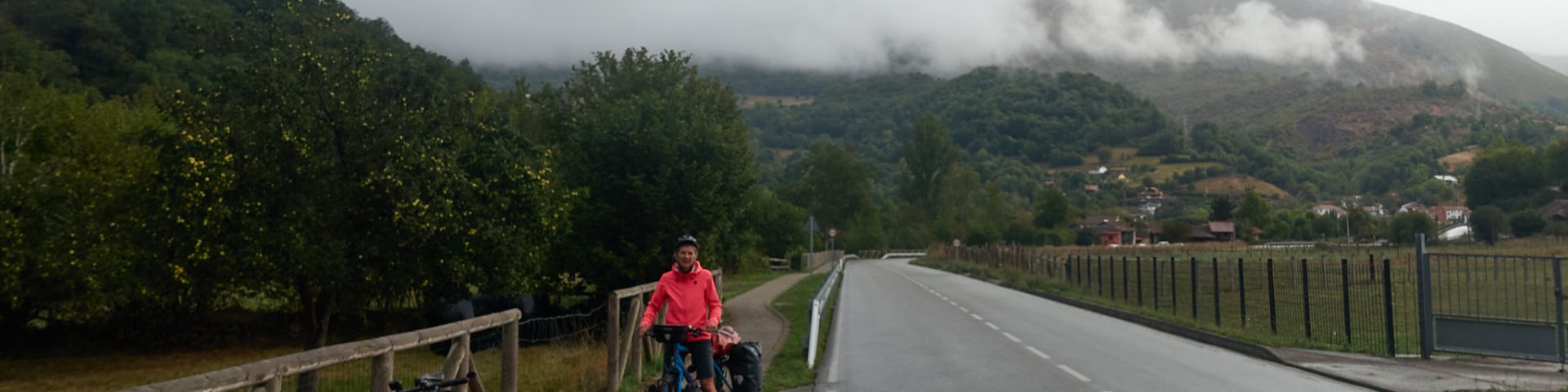
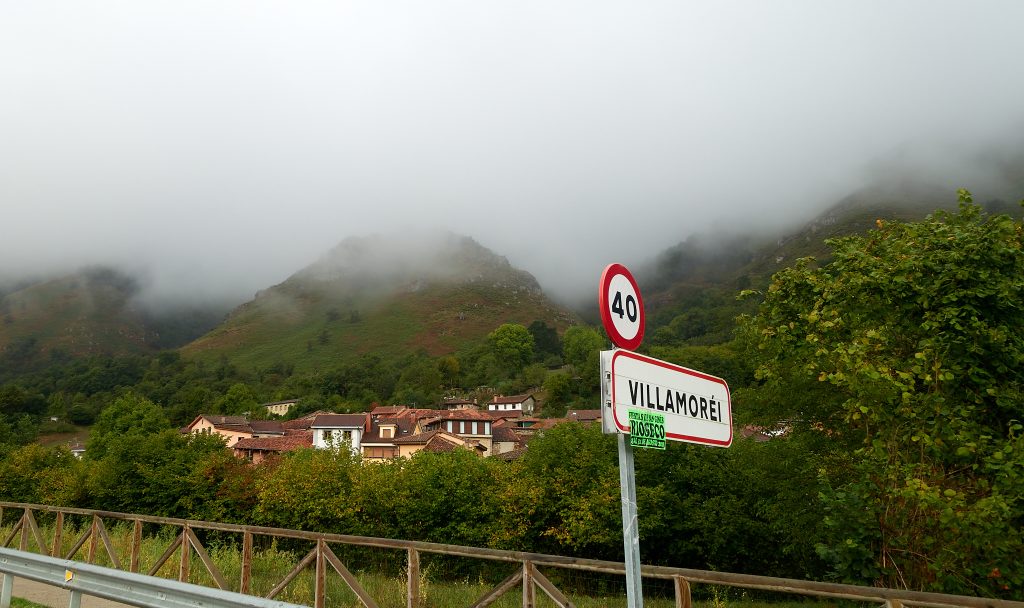
We wake up to drizzly weather and 150 per cent humidity. The clouds hang low over the mountain slopes in Valle Nalon, where we spent two days exploring the hillsides and small villages and collecting hazelnuts.
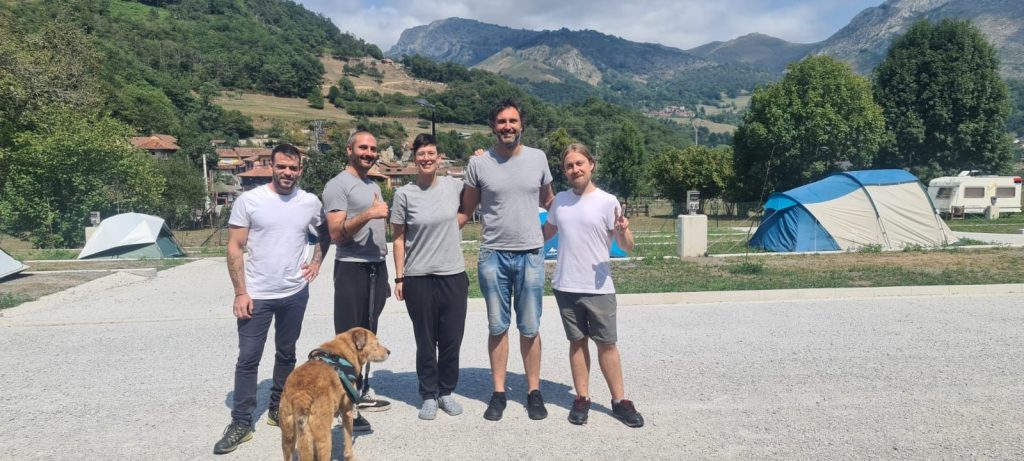
The new, beautiful Sobrescobio campsite has been run by five motivated people for a month now. Many locals come to drink, eat and, above all, linger in the bar and restaurant. We cycle off somewhat hesitantly, as we are enjoying ourselves here and the unknown lies ahead. That is how it is when travelling from one place to another.
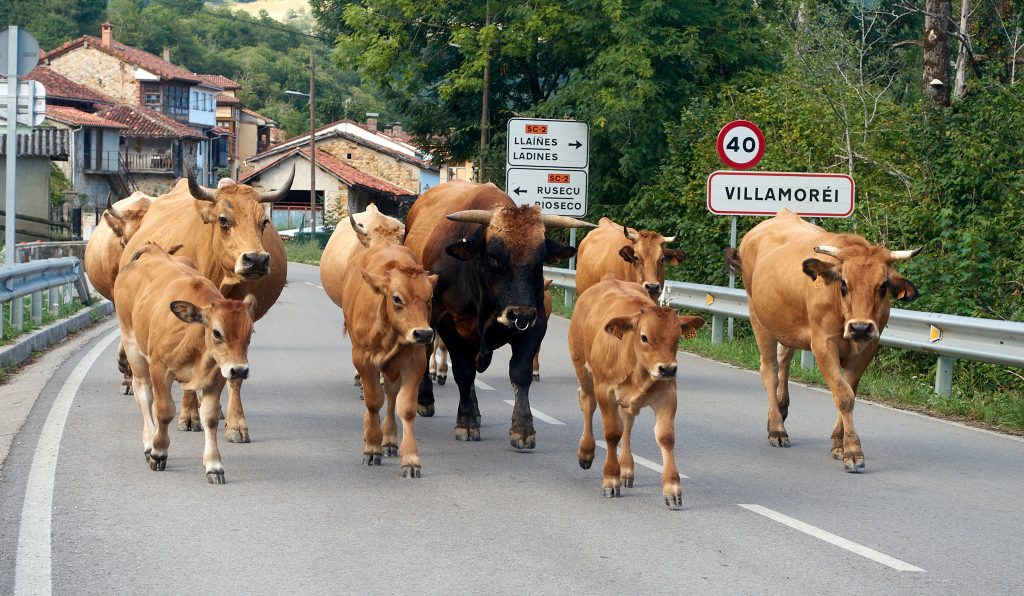
No sooner have we set off than the surroundings change abruptly. The lovely mountain slopes are nowhere to be seen today. It is Sunday. There is no Sunday atmosphere in the first few towns along the route. We arrive in San Martin del Rey Aurelio, a working-class town. The Pozo Soton coal mine is located here, a symbol of industrial culture in Asturias. There are iron, copper and aluminium mines and smelting works. Today, the former factories are used for other purposes – railway construction, weapons – or have been turned into museums. Our Spanish 1000-fire tour. The Ruhr region, Duisburg, Essen… seem insignificant in comparison.
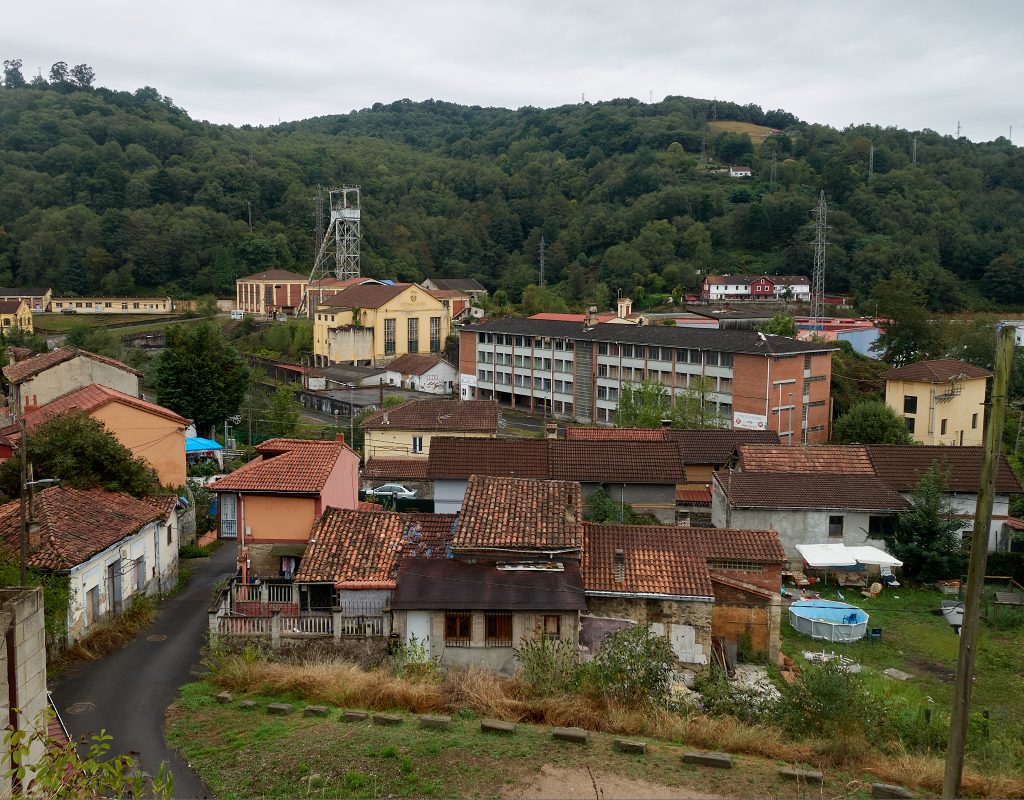
We continue on our way. Today, Sunday, we encounter countless cyclists, in large groups, in pairs and alone. The hilly, quiet little roads are perfect for a bike ride. After 75 kilometres, we see the Atlantic Ocean in the distance. The city and metropolitan area of Gijon lies ahead of us with a huge industrial port and then the open sea. Across the beautiful hilly peninsula and we reach our destination for today: Candas.
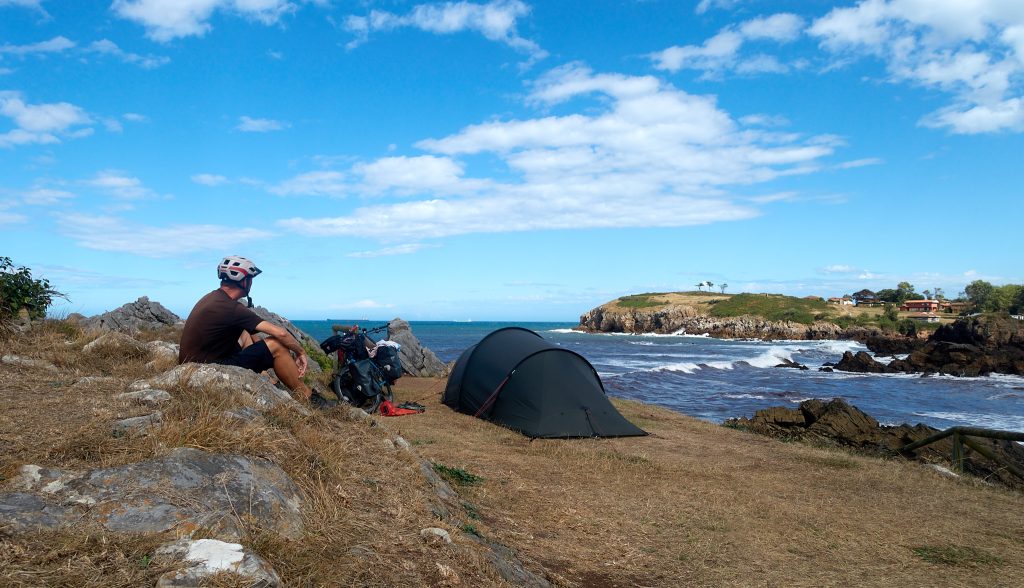
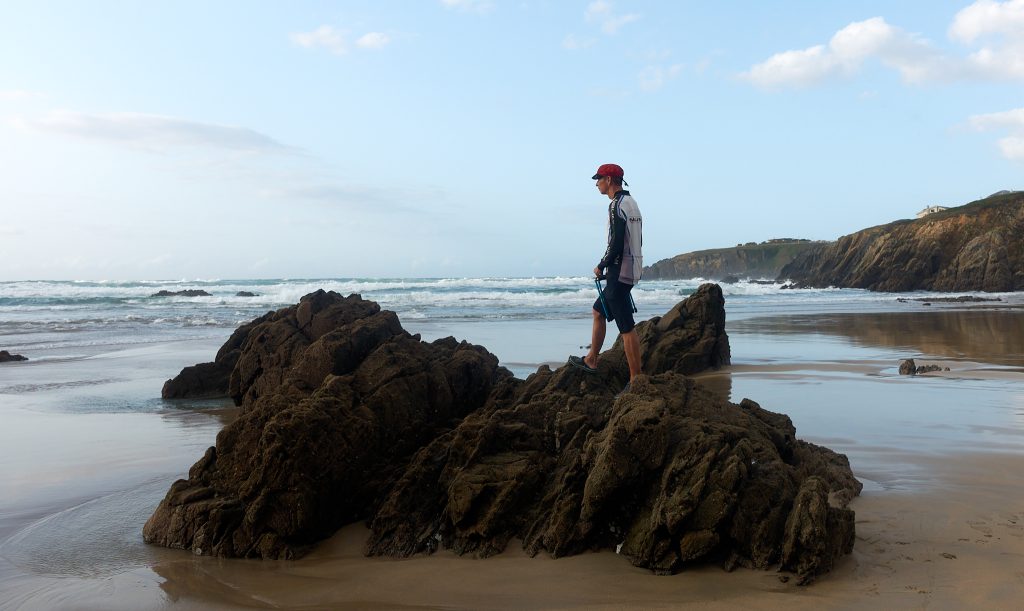
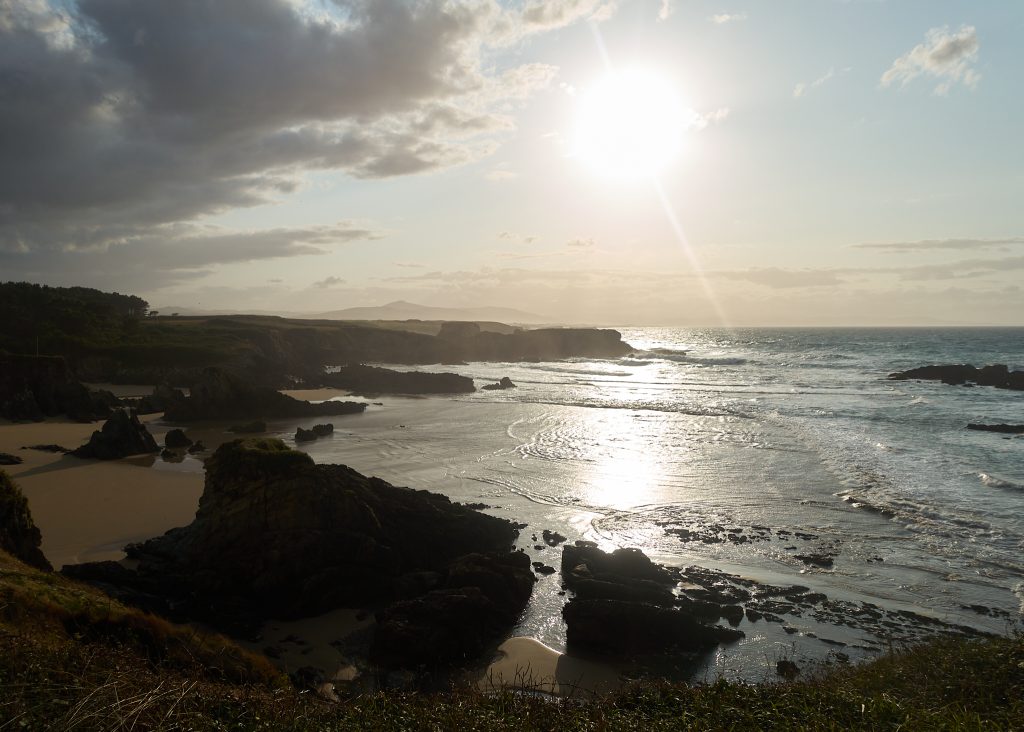
Camping Perlowa since 1968. We snag pole position, a headland jutting out into the sea, indistinguishable from a Breton bay in Finistère, magnificent views, you cannot get any closer to the water. It storms, rages and crashes. The waves break day and night. To our right, to our left. Tireless, whether ebb or flow. Copy or fake: the coastline is the same as in Brittany, Finistère with the Crozon peninsula. The vegetation, huge hydrangeas, broom, laurel forests, blackberry bushes, the sea, the incredibly high, breaking waves. Add to that the wind, the storm. The temperatures are summery warm. The woman at reception is very proud to offer us this place and we are more than happy. It is clear that we will stay here for more than one night. Lulled by the sound of the sea, we sleep until 10 o’clock.
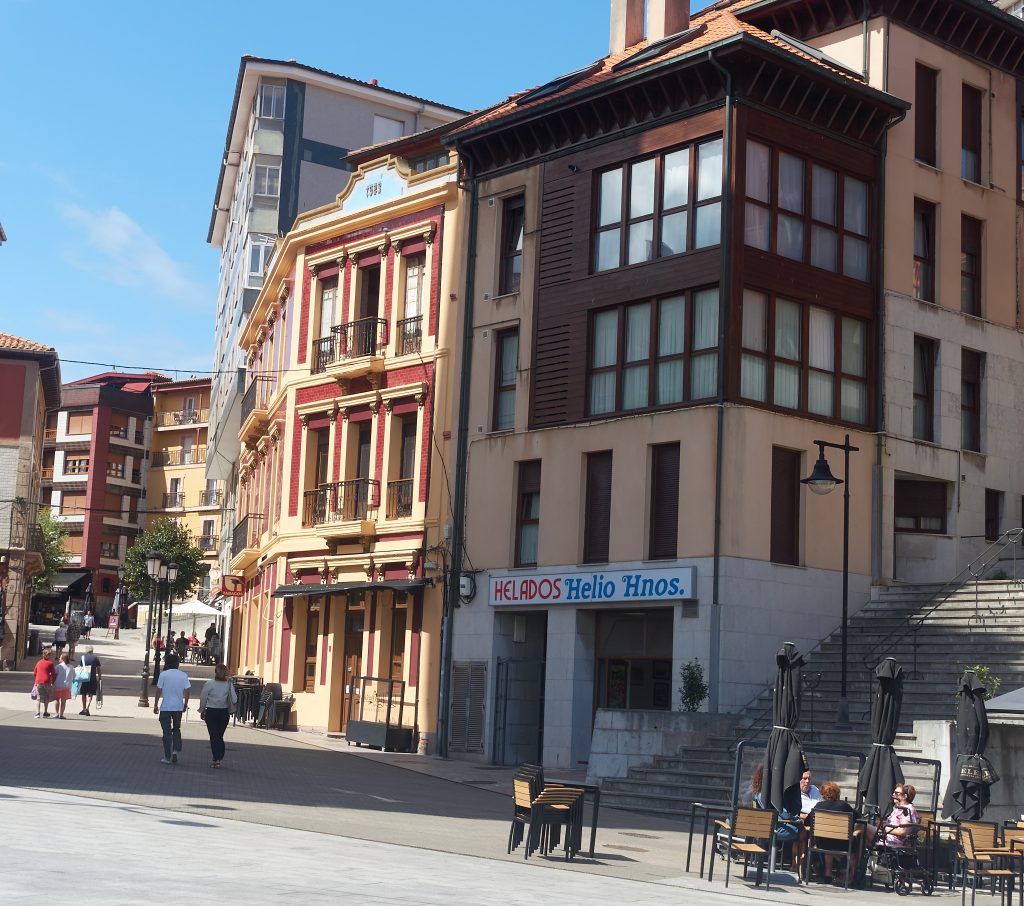
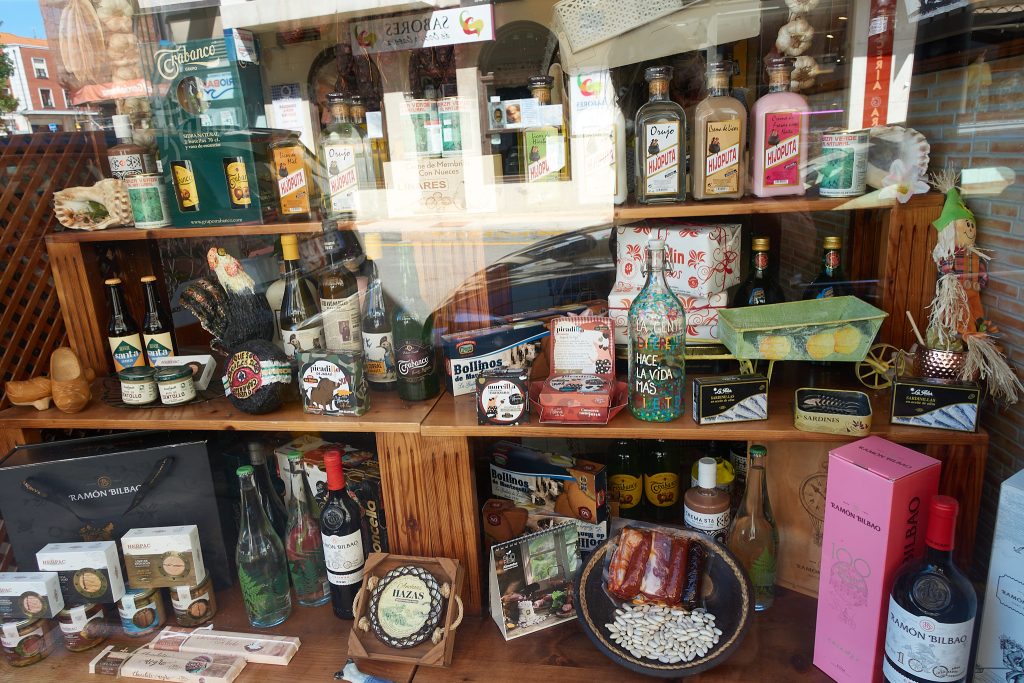
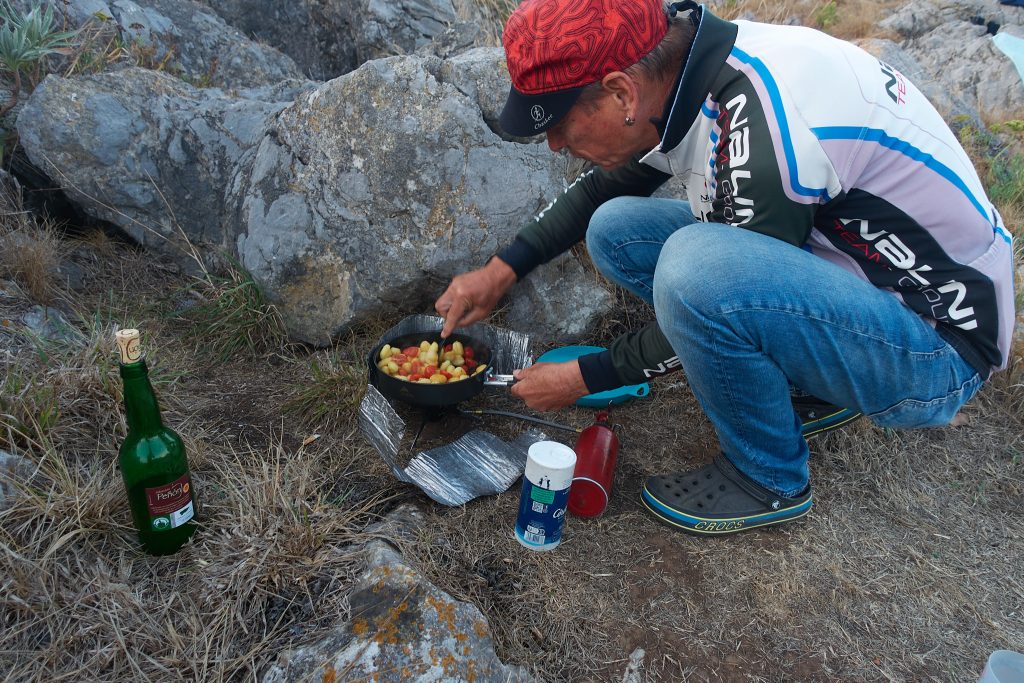
For dinner, we have gnocchi with mozzarella and cherry tomatoes, one of our favourite meals. In Asturias, we also eat the delicious national dish “Fabada Asturiana”, a hearty bean stew.
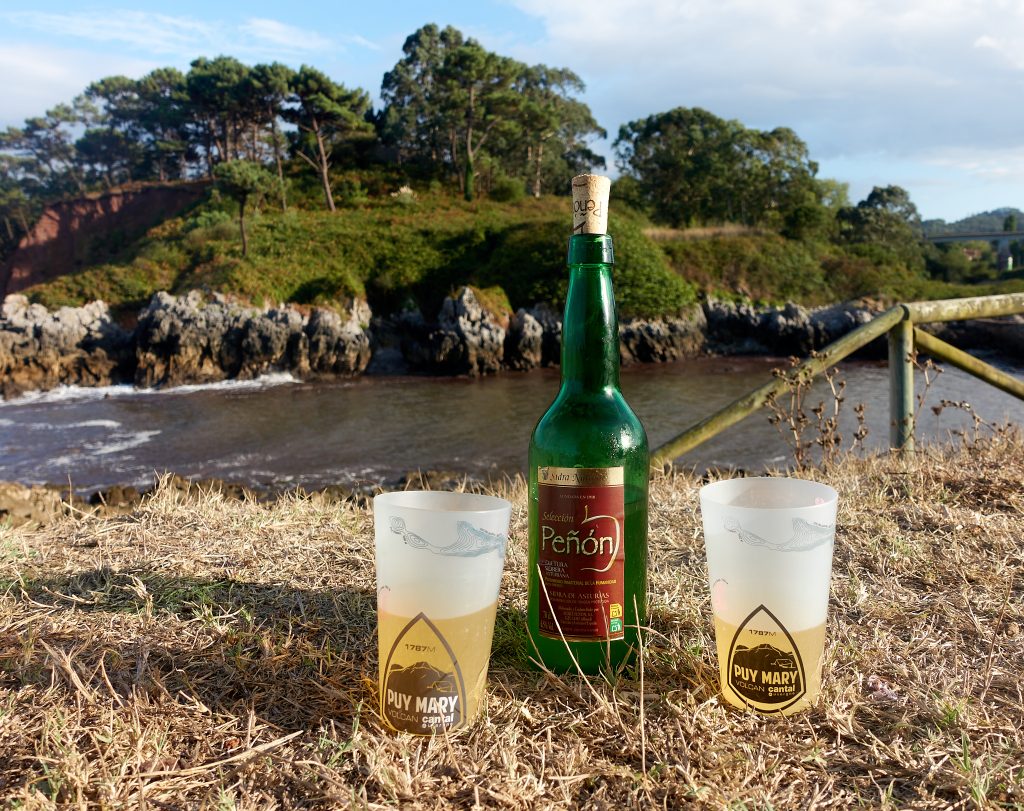
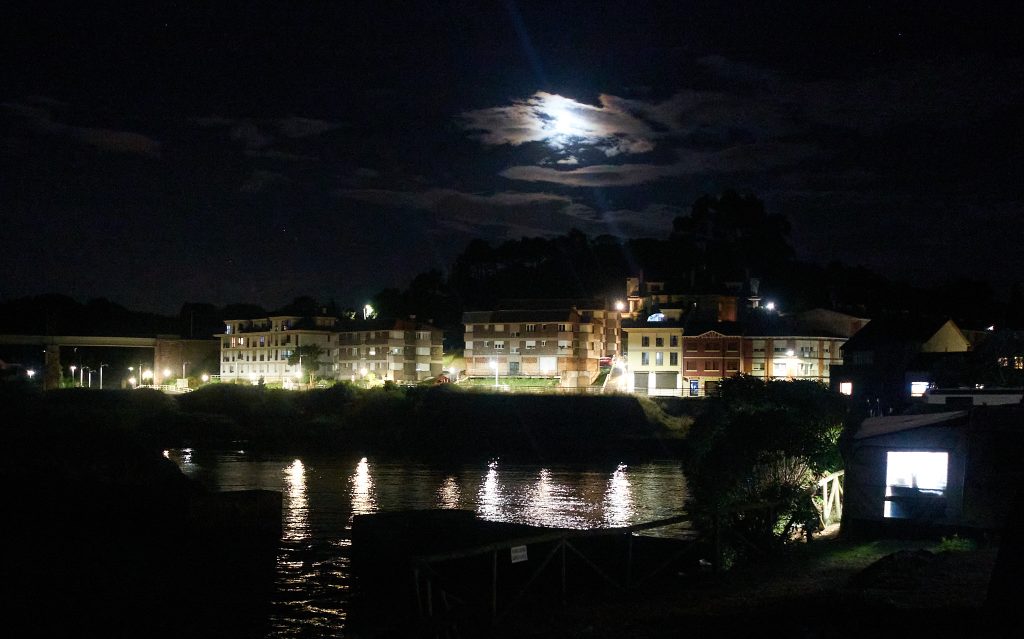
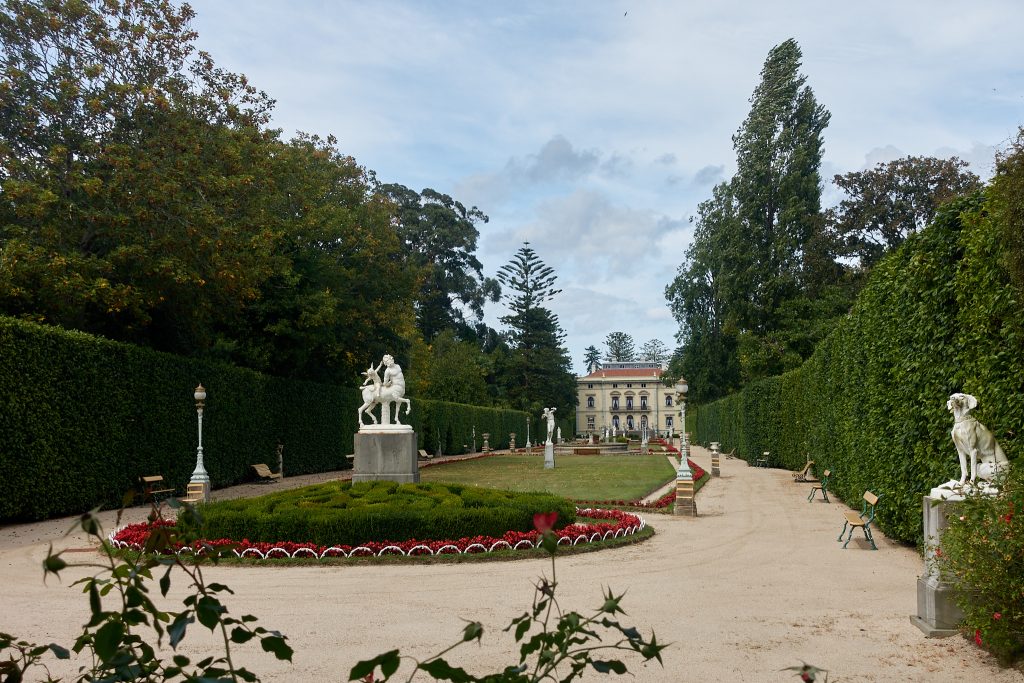
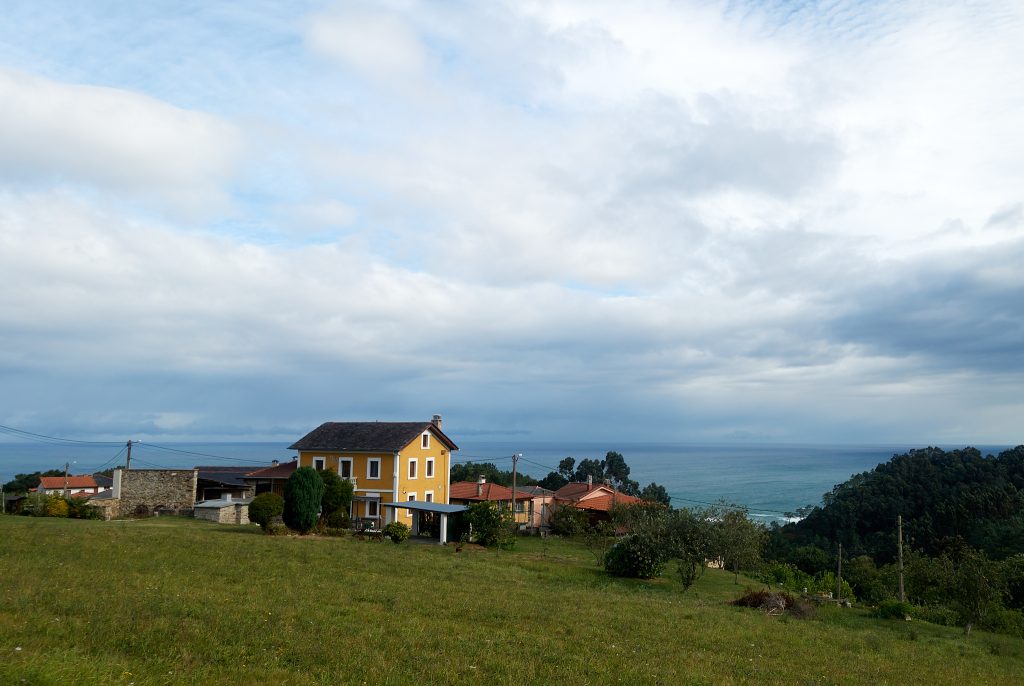
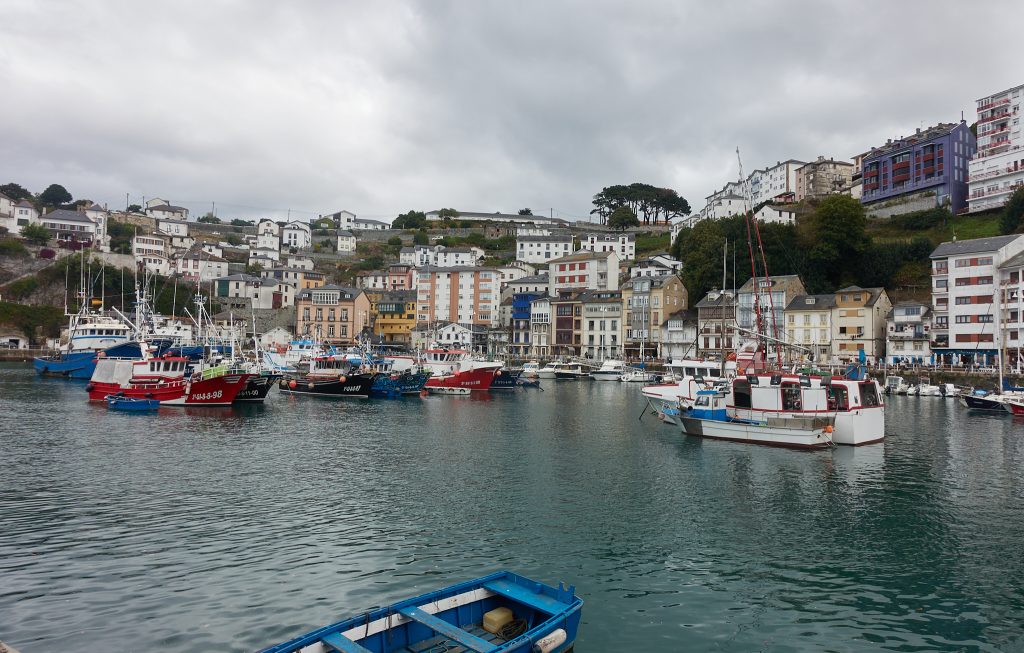
We land in Tapia de Casaregio, right by the sea, in strong winds and find a spot sheltered from the wind behind tall hydrangeas.
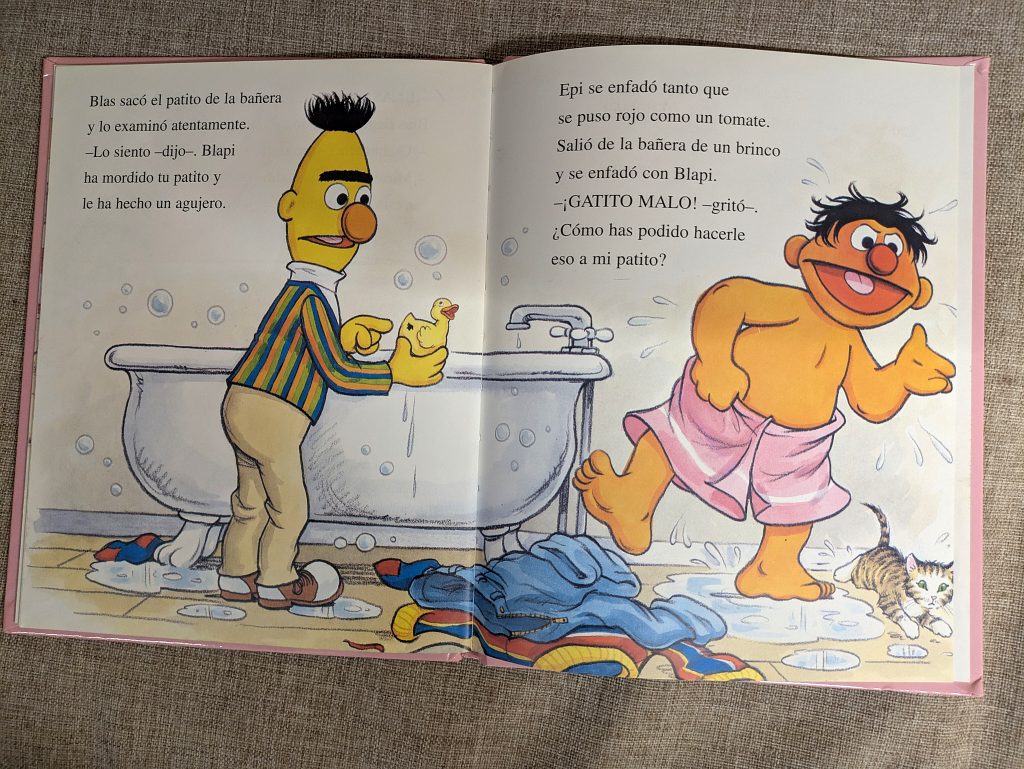
Ernie and Bert are called Epi y Blas. They are really great guys and friends. Astrid cannot speak much Spanish, but she can read the picture book about the two of them and enjoy herself immensely.