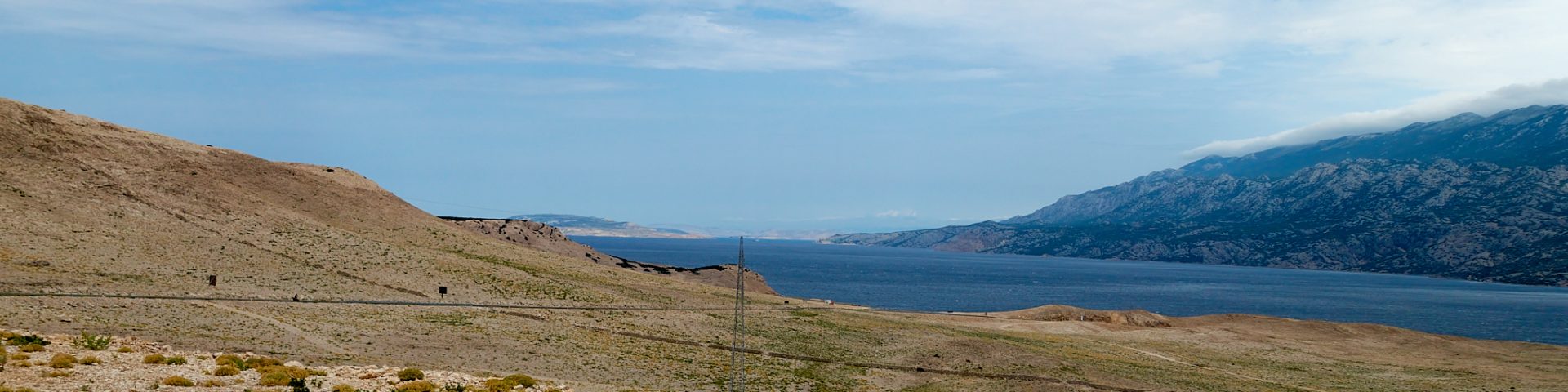
According to NASA estimates, a manned trip to the moon costs US$28 billion. You can do it cheaper than that. Travel to the island of Pag, or what is the three-letter word for Croatian island? ‘When arriving from the mainland, the island of Pag looks like a stone desert or a barren lunar landscape. The reason for this is the strong Bora wind, which brings salty air with it. Pag is a unique, barren beauty.” (see: Faszination-Kroatien.de) Well, apart from salt, mangy sheep and wind, there is little here. Whether that is beautiful is a matter of opinion. Solvent tourists are attracted by the above slogan.
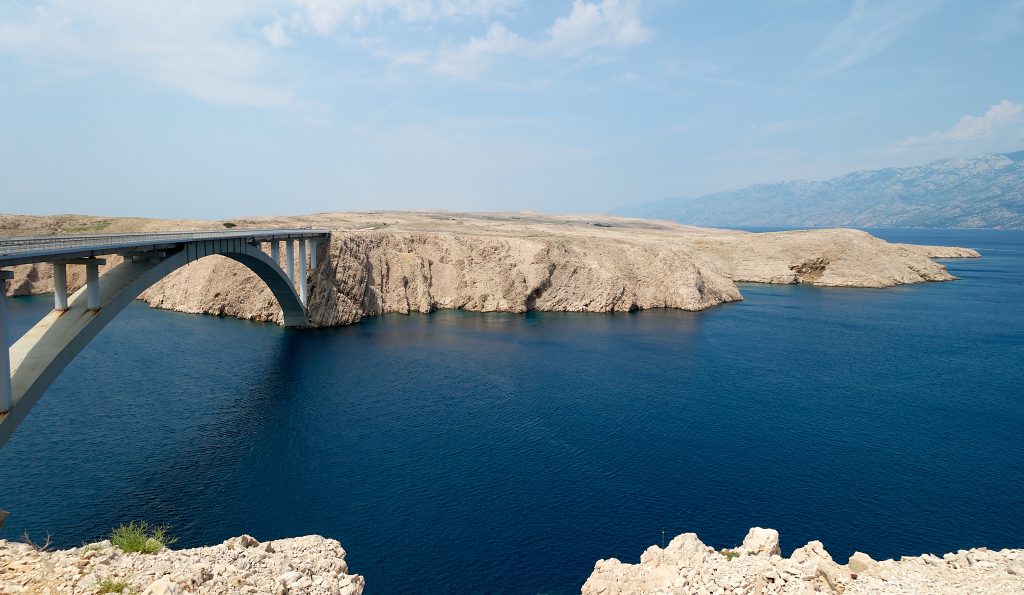
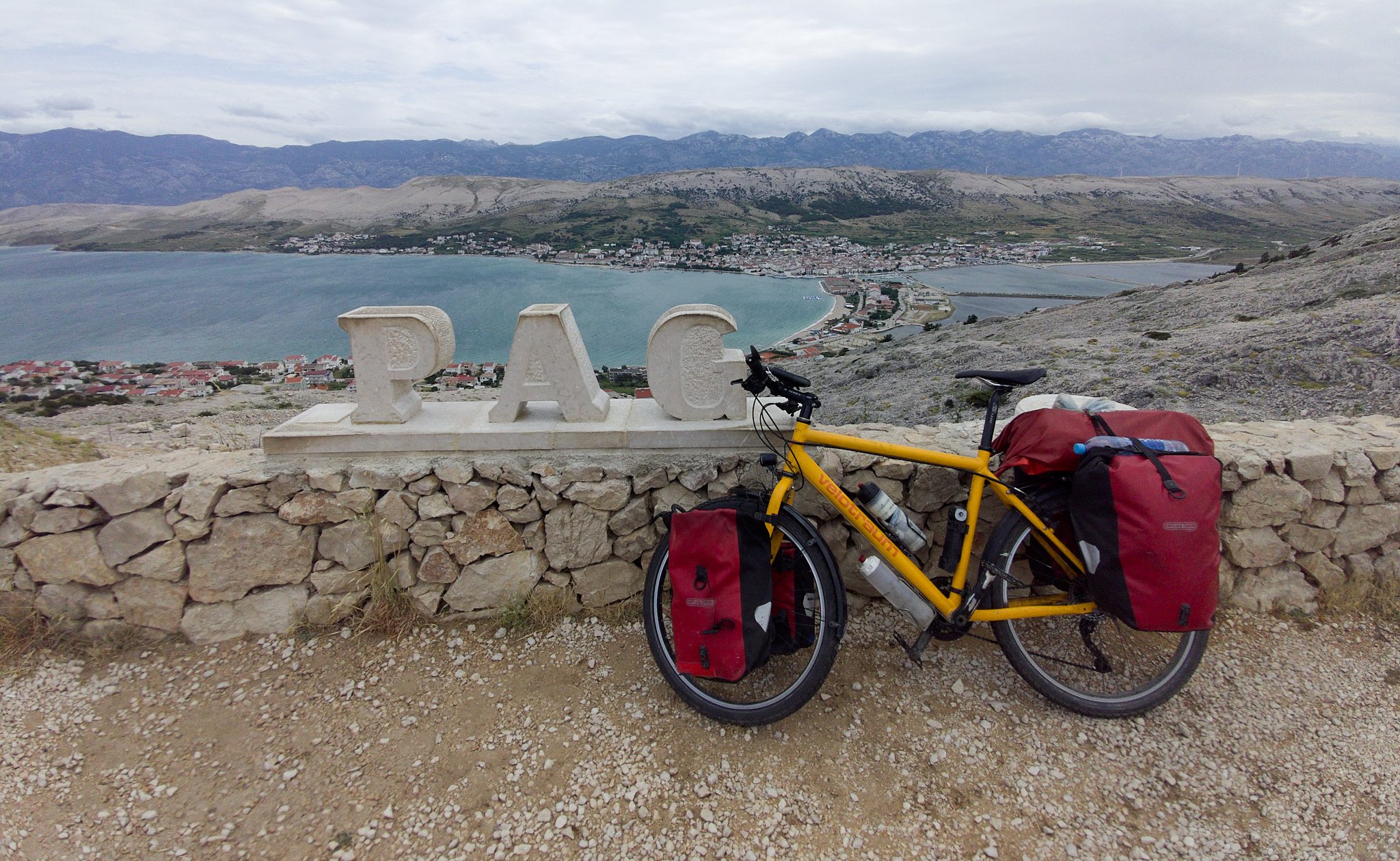
On our journey across Pag and the rest of our tour along the uninhabited coast below the Velebit Mountains, we unexpectedly encounter the force of the bora, the wild, cold, gusty downwind from the north-east (NE). It blows for 24 hours. It accompanies us for 130 kilometres, which we survive unscathed in 1.5 daily stages with highly concentrated riding on our 40-kilo touring bikes, without crashing into the abyss and without touching the vehicles roaring past. Then the nightmare is over. ‘Bora-type winds are among the strongest in the world with their high average speeds. At the western foot of Velebit, individual gusts reach peak speeds of up to 250 kilometres per hour. The Bora is probably the most feared wind in the Adriatic.’ (Wikipedia)
Our journey through Croatia from south to north takes five days. In the meantime, we have rejected options involving a ferry trip to Italy (€300, too expensive), regional trains from Split via Zagreb to Rieka (too complicated and long) and Flixbus (no bicycle transport). We might as well cycle. Well, if we had known what awaited us: the Peljesac peninsula, Ploče, camping at the former children’s rehabilitation centre – a ‘lost place’ – on the beautiful Makarska Riviera, Trogir north of Split, two garden campsites (the Croatian answer to German permanent campsites) and the overpriced campsite with almost no infrastructure in the steep bay near Senj.
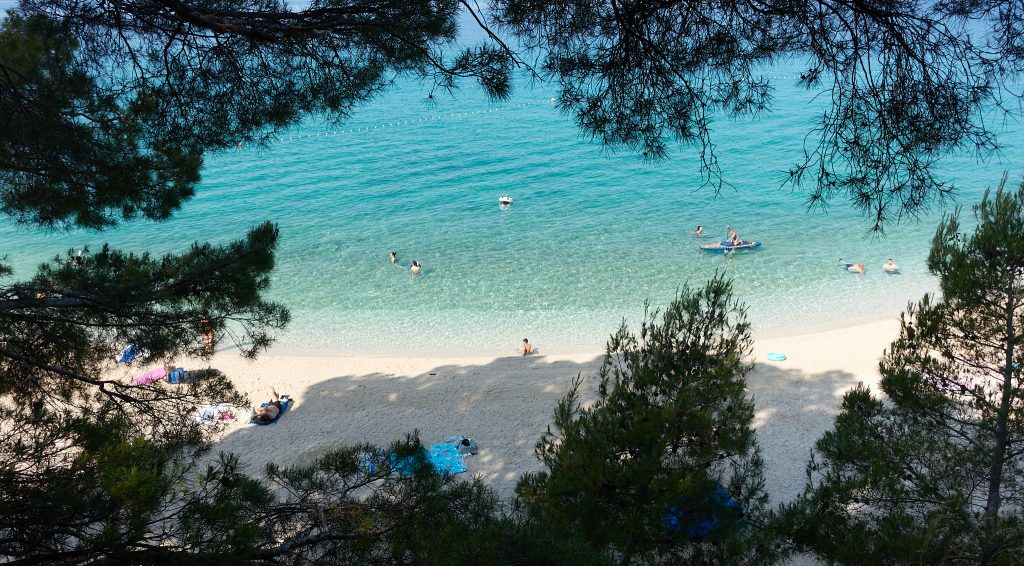
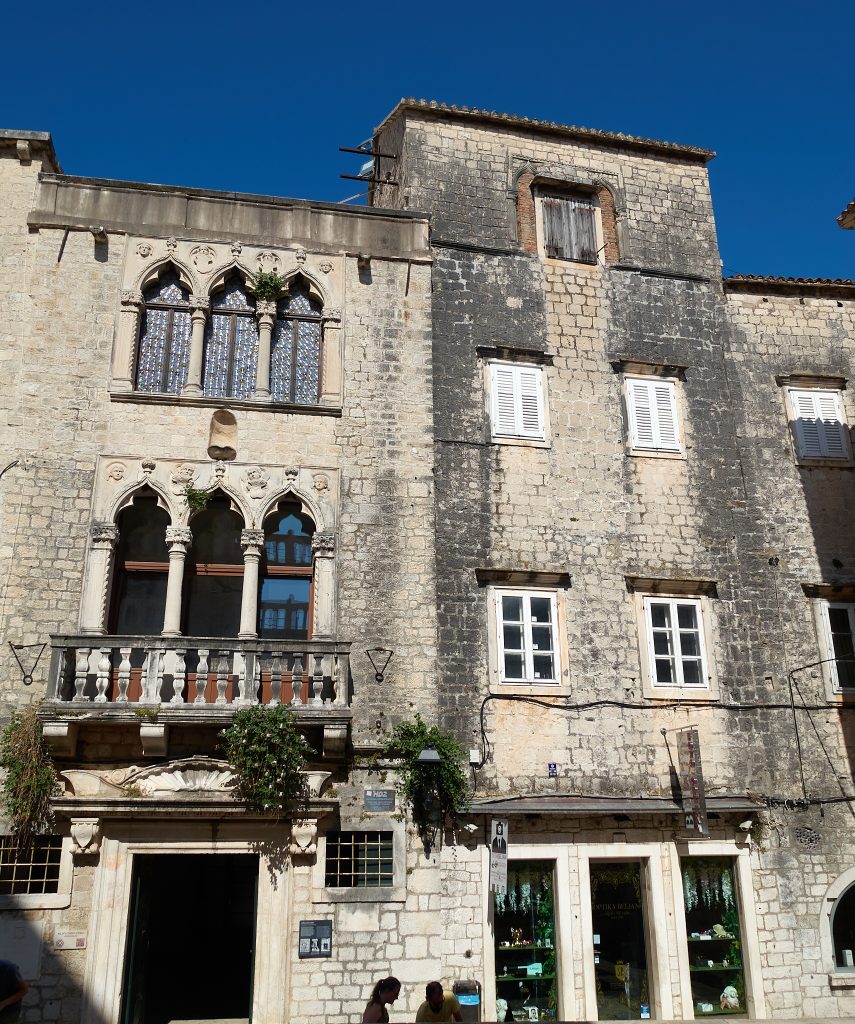
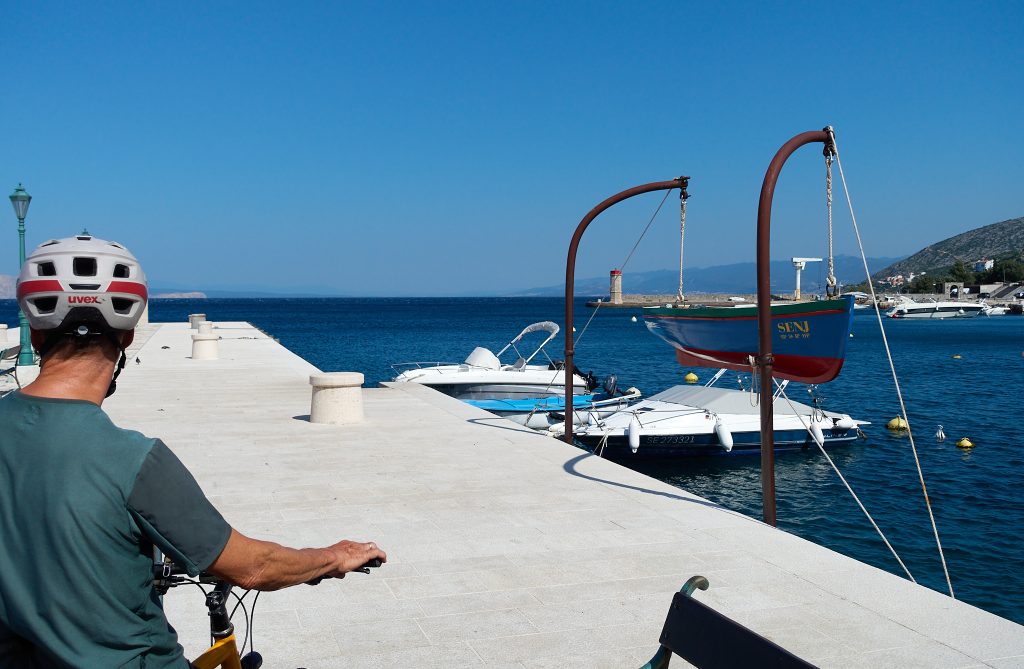
After arriving we dive each day into the 24-degree Adriatic Sea as our first respite from the heat and/or constant gusts of wind. We brave the wind and leave the camera behind. From Rijeka onwards, conditions improve and we enjoy cycling over the mountains to Slovenia.
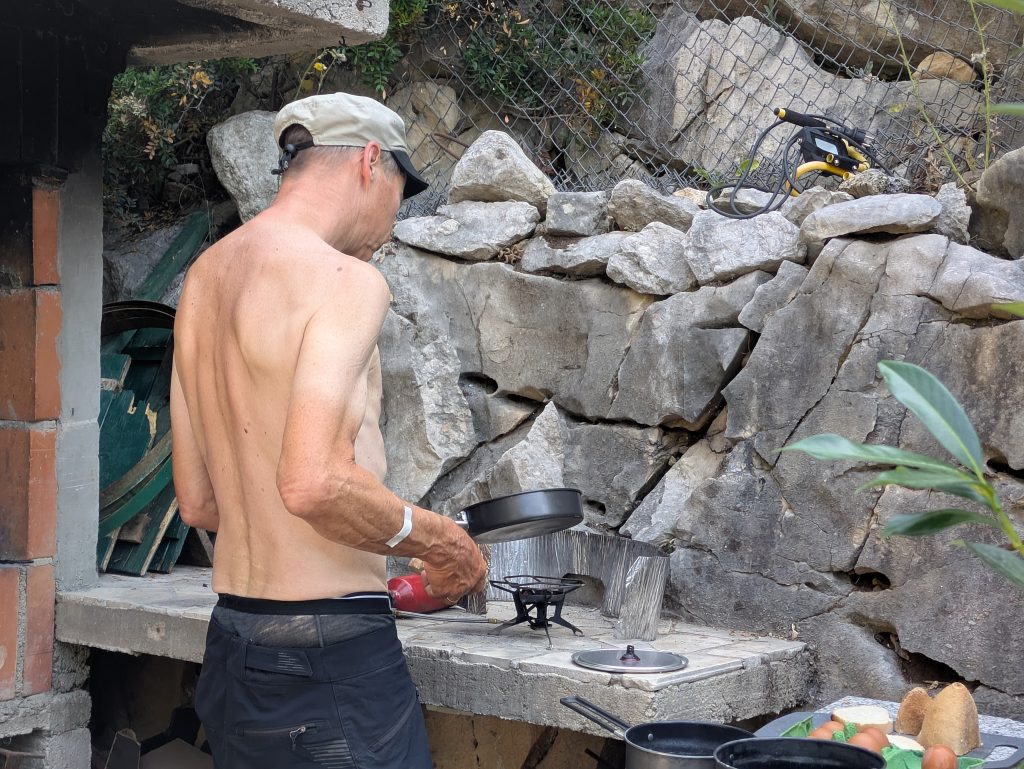
A few impressions:
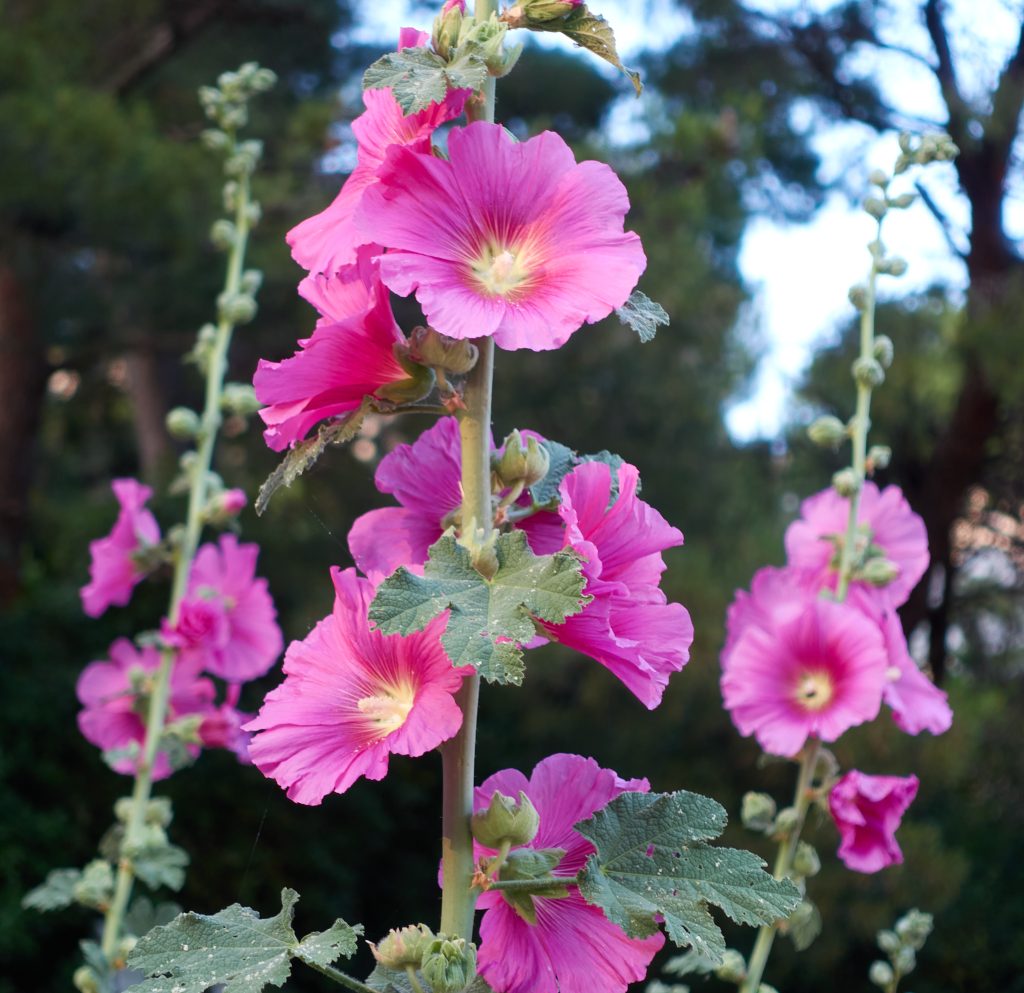
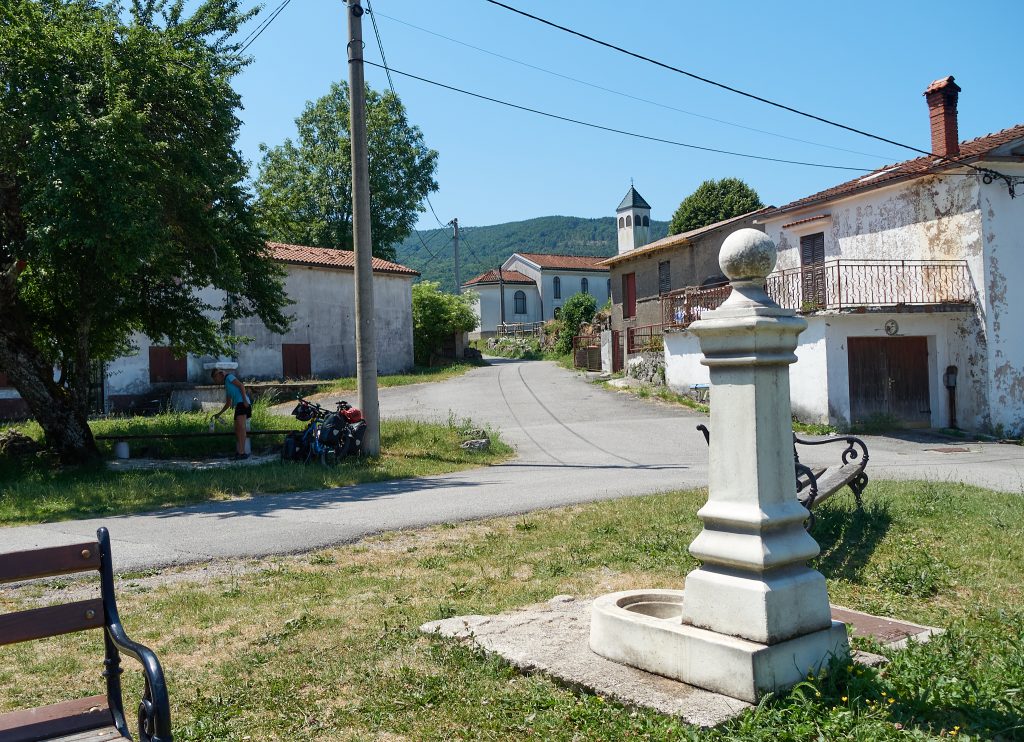
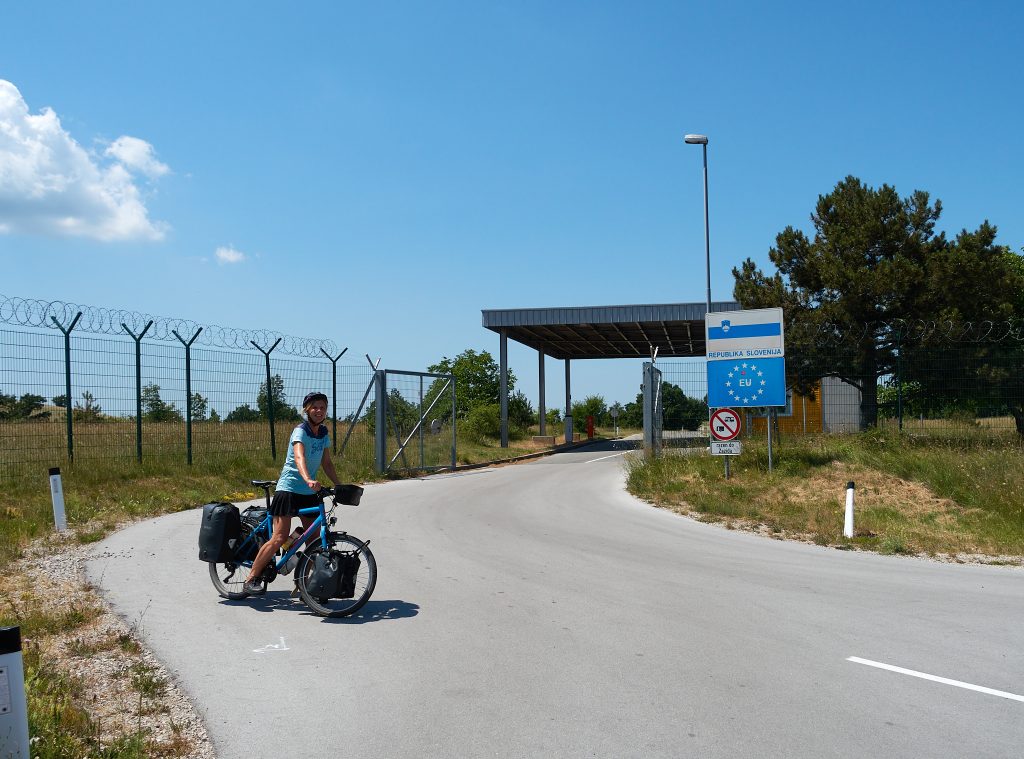
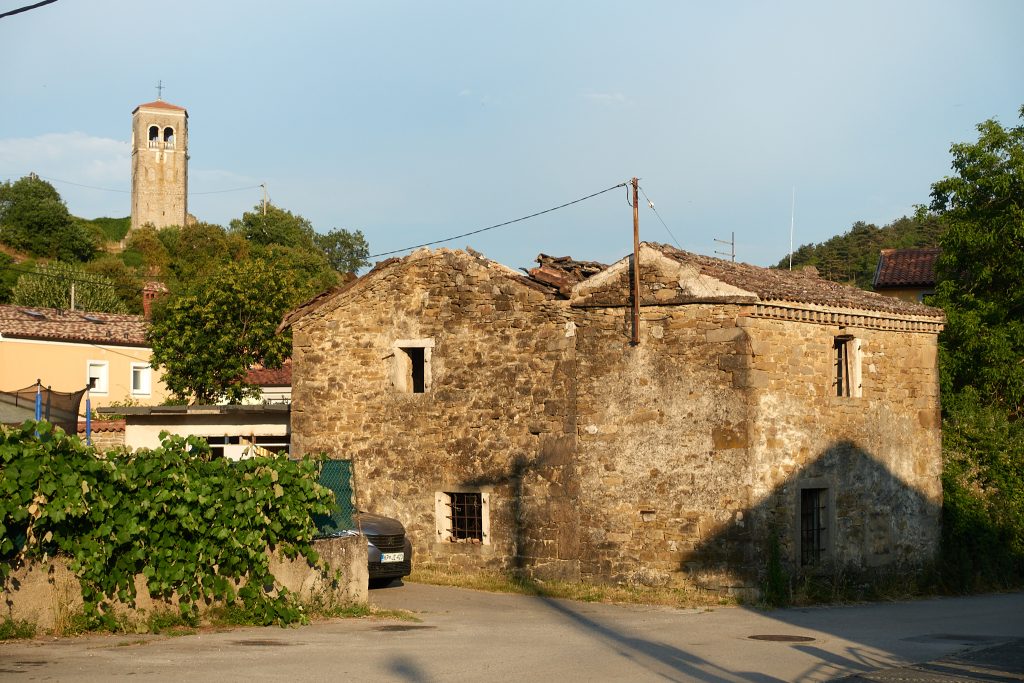
P.s. Featured image: Searching for Rolf on the way to the ‘ferry port’. On the right, the Velebit Mountains on the mainland.